The Female Lineage of Clay in Mota del Cuervo
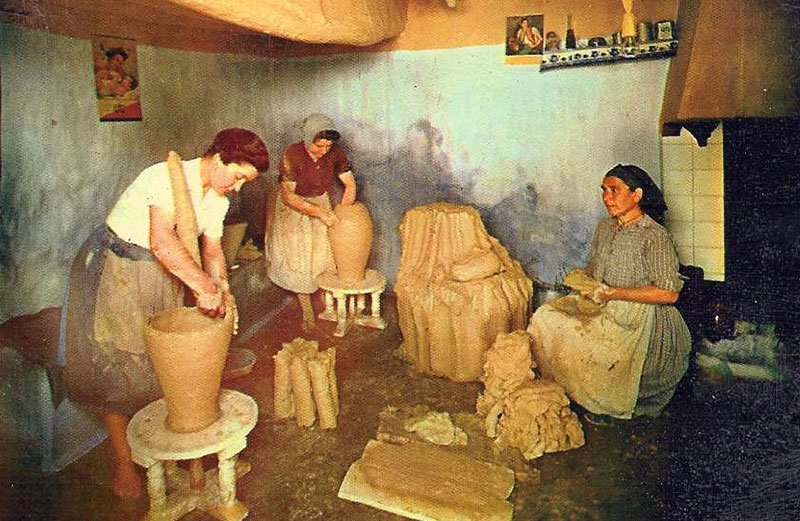
In Mota del Cuervo, ceramics carry a distinctly feminine voice. For centuries, the Barrio de las Cantarerías was a small productive universe where home and workshop merged, and where women shaped the clay by hand while men extracted the earth or fired the kilns. Eighteenth-century census records speak of dozens of potter families concentrated in this neighborhood; their memory lives on today in the Pottery Museum, opened in 2009 in the very heart of the Cantarerías district.
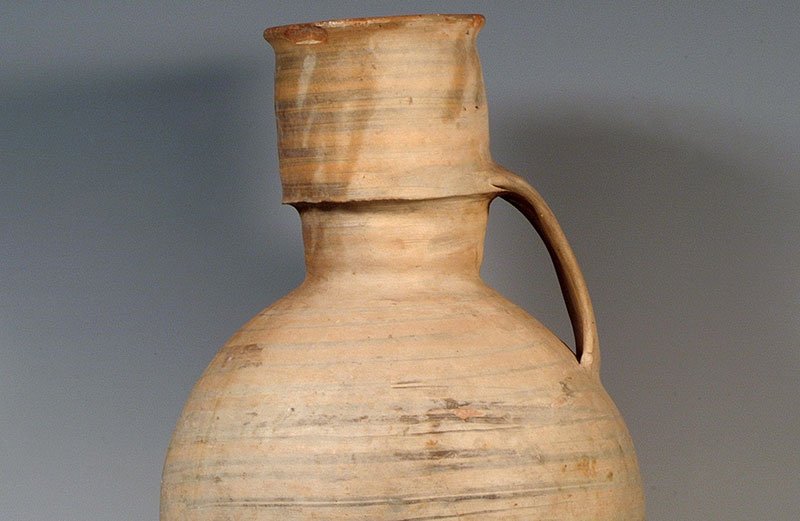
The museum and its surroundings recount a unique technical lineage: coil building (construction with rolls) and a primitive “Celtic wheel.” Local research links this tradition to an Arab heritage in firing techniques and a Celtic influence in the use of the roller.
The Ceramic Soul of Mota del Cuervo
   Loading 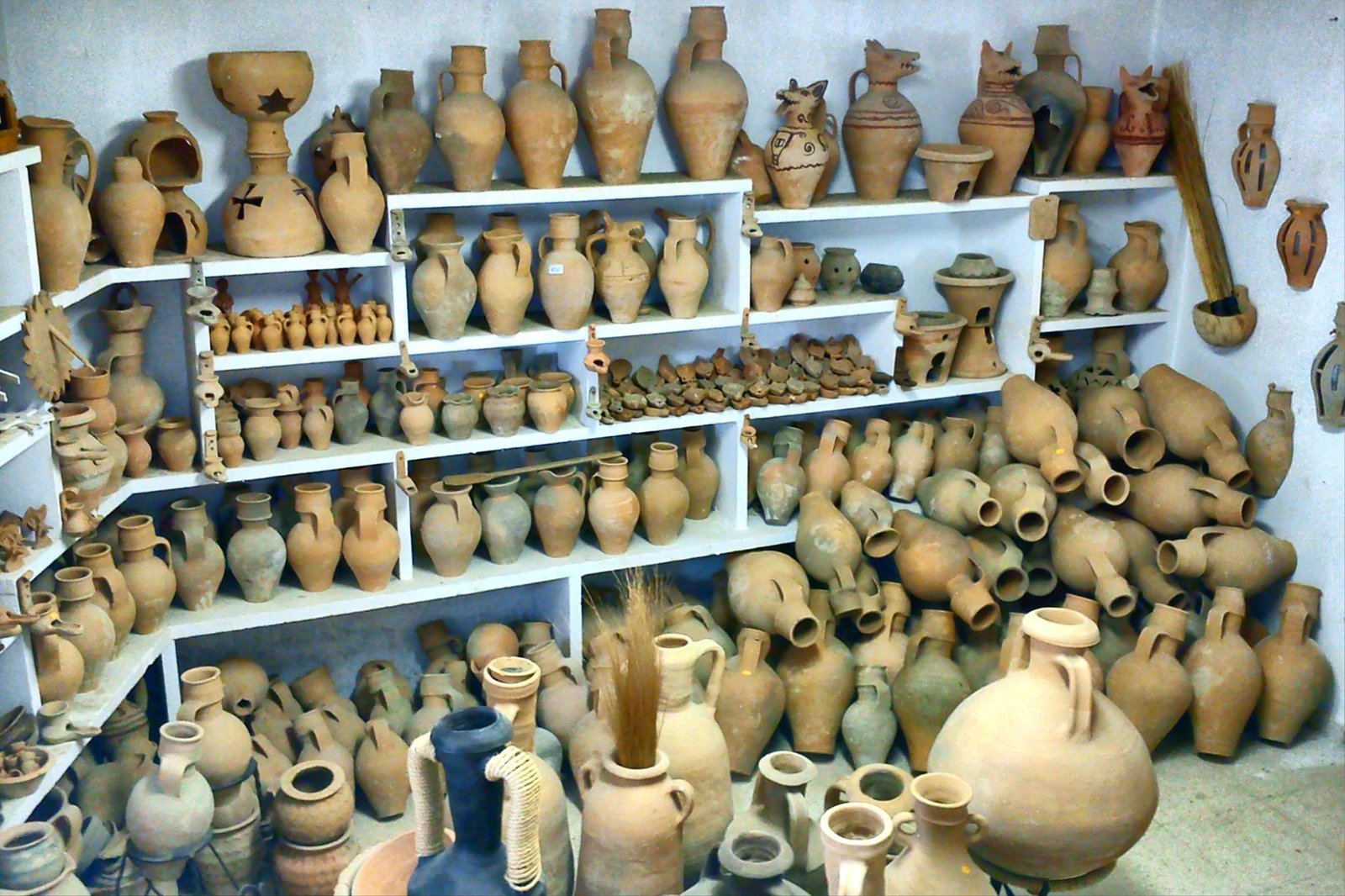  El Cántaro Traditional Pottery A benchmark workshop in the municipality.… 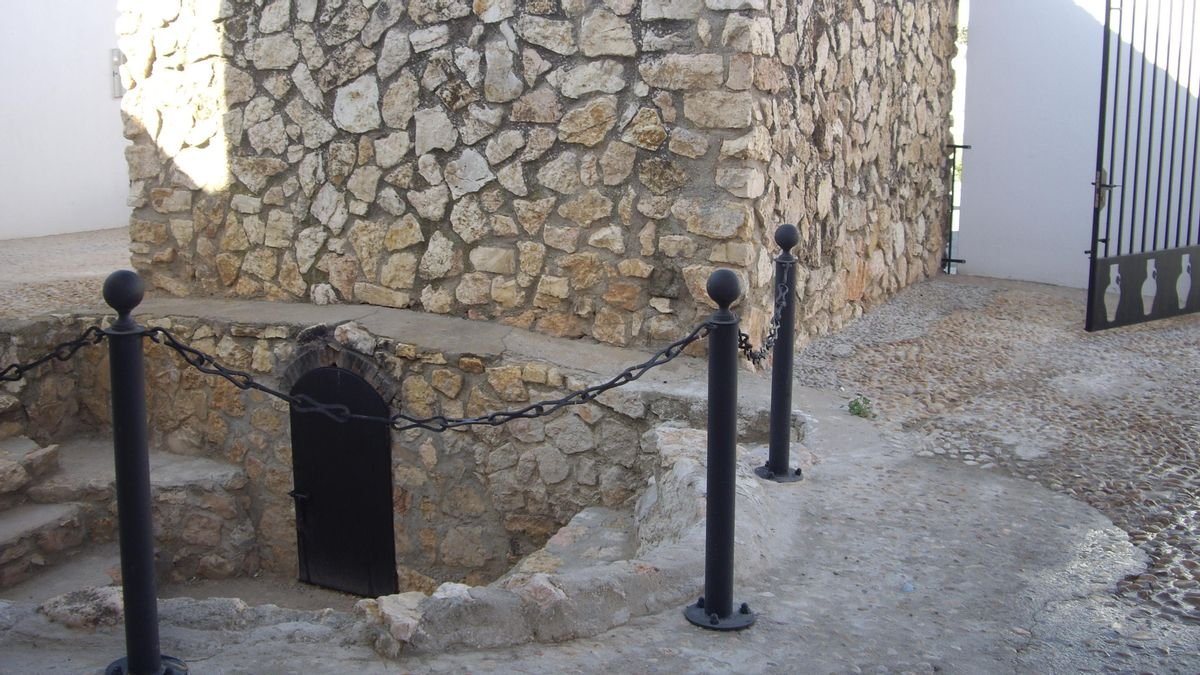 Municipal Arab Kiln It has two chambers: an underground one used for combustion with a single access point, and an upper chamber where the pieces are placed.… 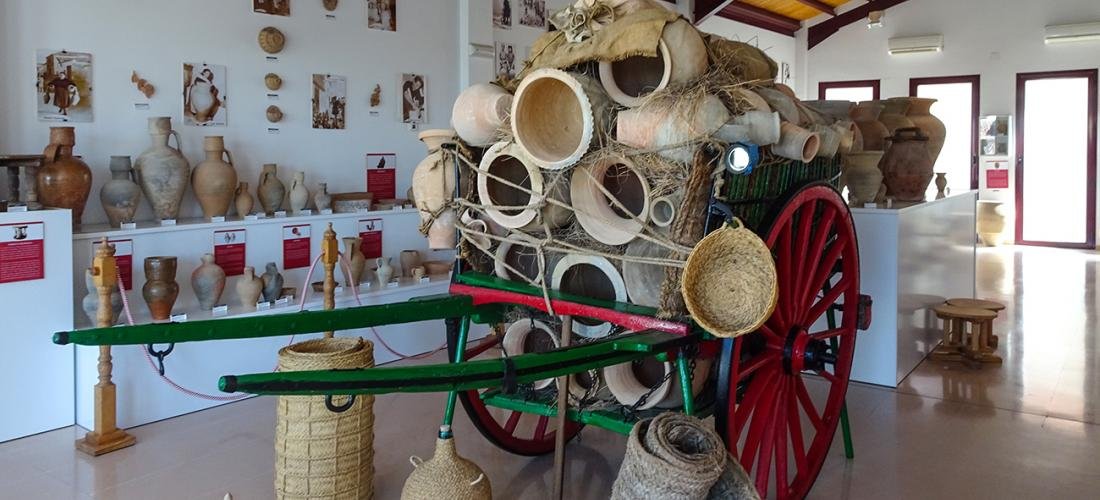 Pottery Museum The pieces are made exclusively by women from the village, one of the few centers of female ceramics on the Iberian Peninsula, using the coil-building technique.… |