Manises, Where Ceramics Forge Identity and City
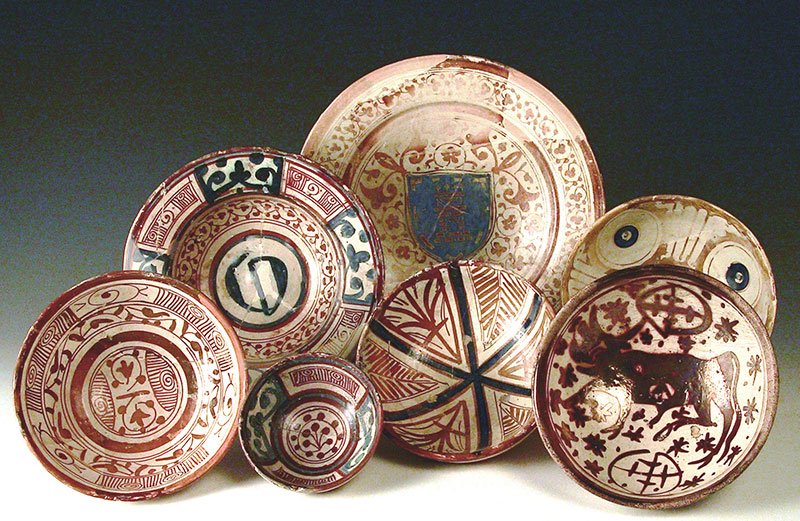
In Manises, ceramics are both lineage and city. Since the 14th century, the name of Manises has traveled hand in hand with a technique that dazzled Europe: golden lusterware with metallic sheen. Chronicles and museum pieces place here—under the lordship of the Boïl family—the consolidation of this “golden work” (opus aureum), adorned with coats of arms and Mudéjar motifs. The story continues uninterrupted to the present day: factories, workshops, and a school have woven seven centuries of production. In 2021, UNESCO recognized this legacy by naming Manises a Creative City of Crafts and Folk Art.
The Ceramic Soul of Manises
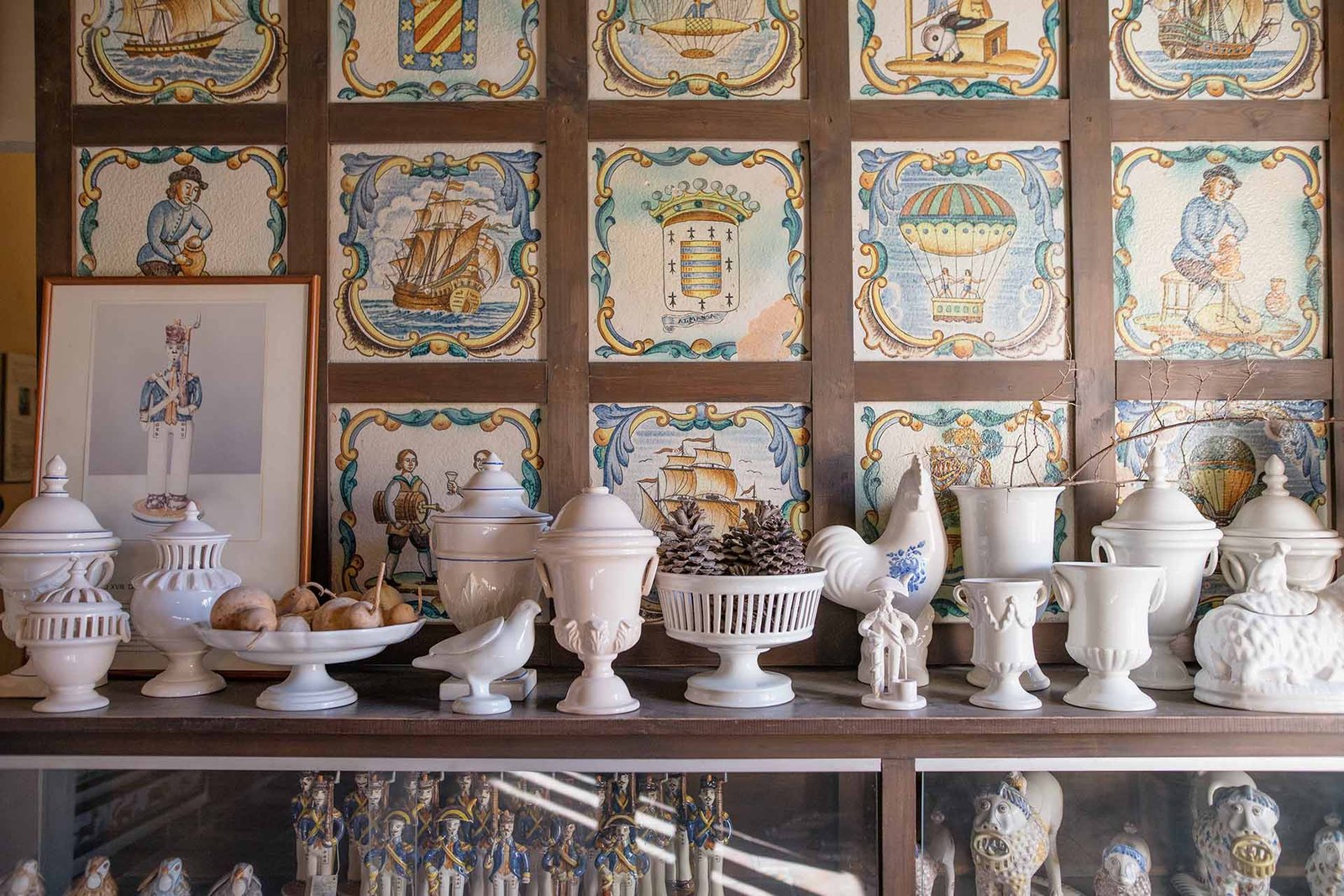
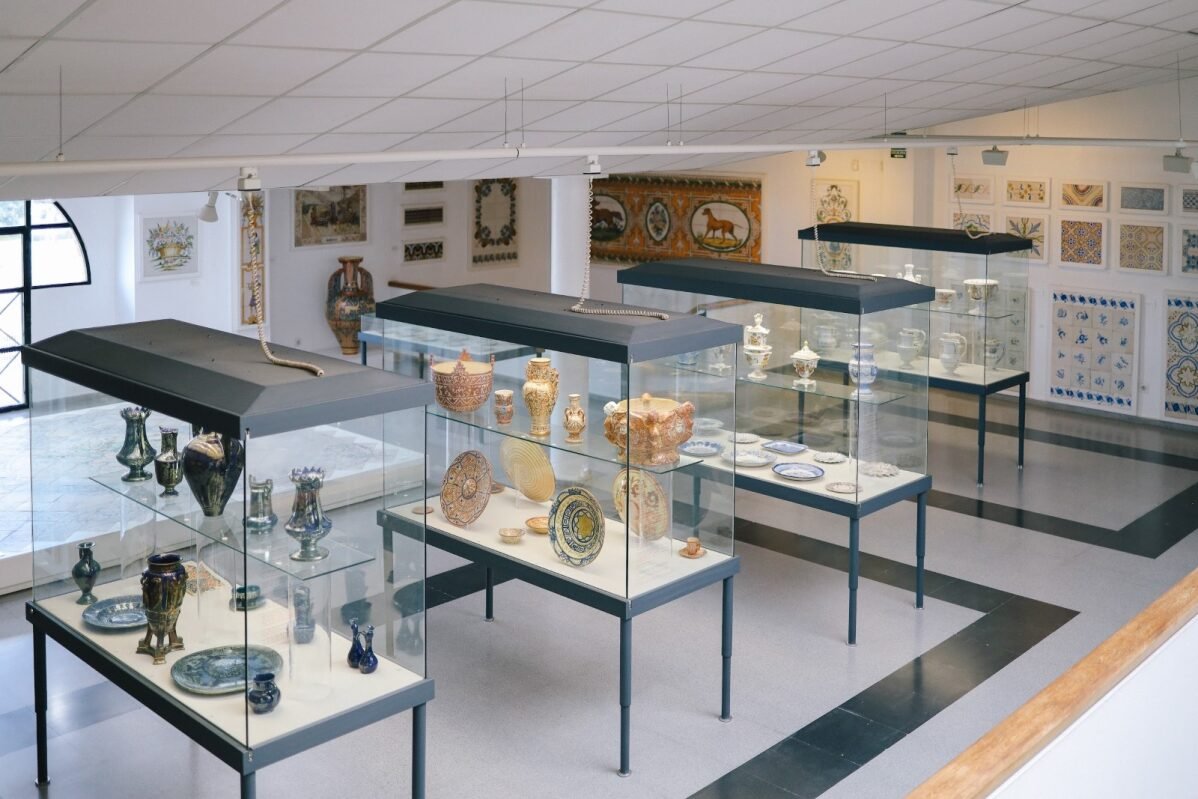
   Loading   Parish Church of San Juan Bautista An 18th-century church with a gilded dome featuring a metallic sheen and ceramic decoration inside.…  Blasco Ibáñez Avenue An urban thoroughfare featuring a monument to the ceramist José Gimeno and ceramic monoliths illustrating the ceramic-making process.…  Manises School of Ceramics Founded in 1896, it was a pioneer in Spain and closely linked to industrial development. It contributed to the training of generations of ceramists.…  El Arte Building / MUMAF A 1922 building with ceramic cladding in metallic luster and cobalt. Today it houses municipal offices and a photography collection.…  José Gimeno’s La Cerámica Valenciana Factory A family-run company founded in the 20th century that preserves artisanal processes. It offers decorative pieces, tableware, tiles, and restoration services.… 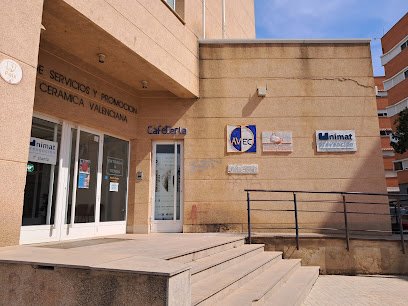 Valencian Ceramics Association AVEC–Guild A center with workshops, classrooms, a permanent exhibition, and a shop that promotes Valencian ceramics and offers hands-on experiences.… 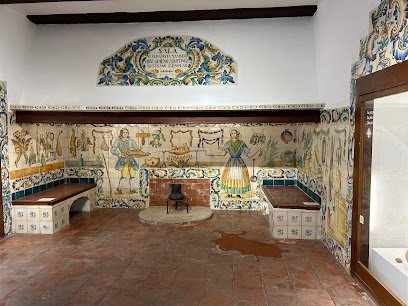 Manises Ceramics Museum It features pieces from the 14th to the 20th centuries with metallic luster, cobalt blue, and Modernist styles. It also includes technological galleries displaying tools and production processes.… |