The Ceramic Legacy of Onda
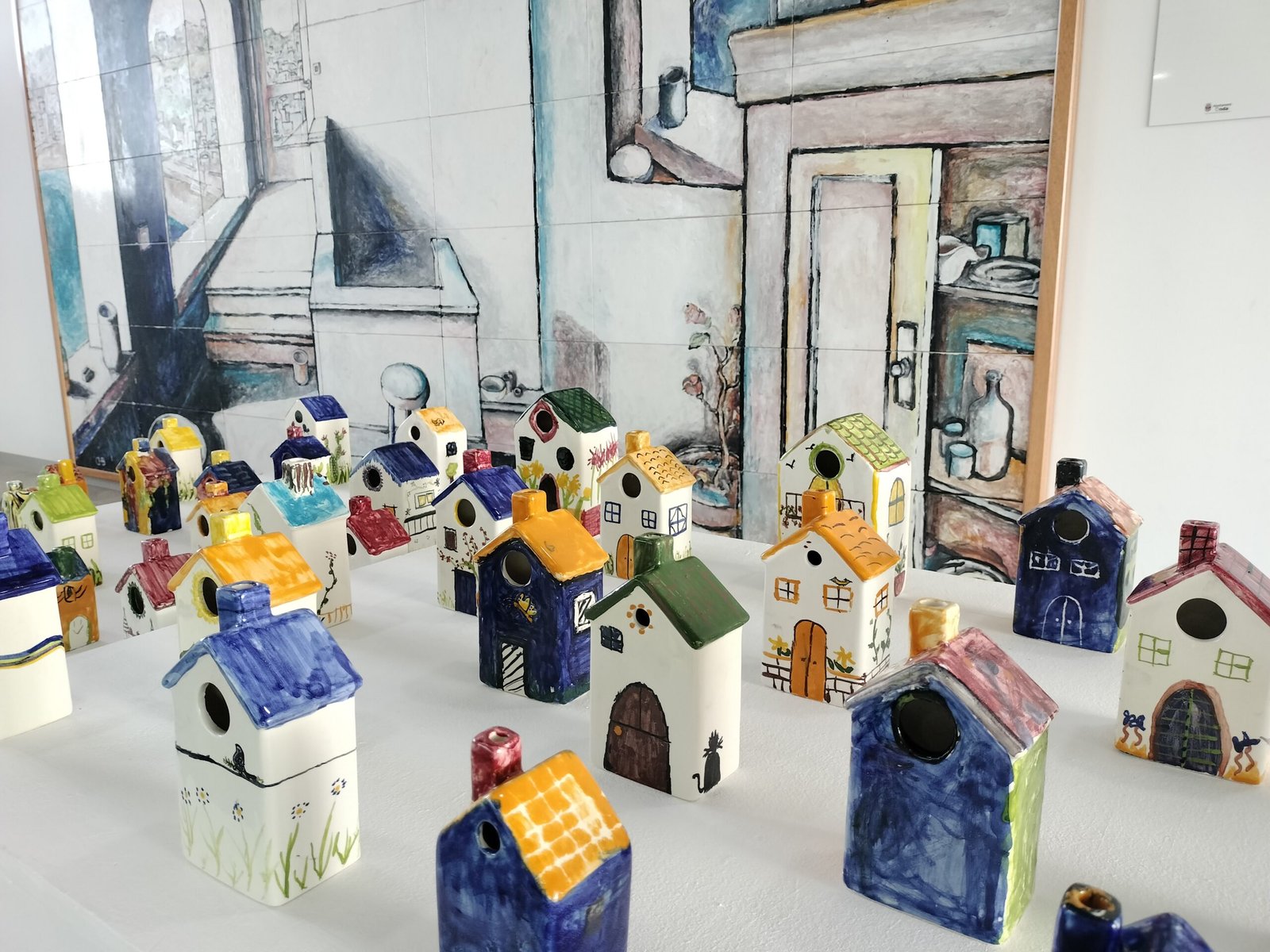
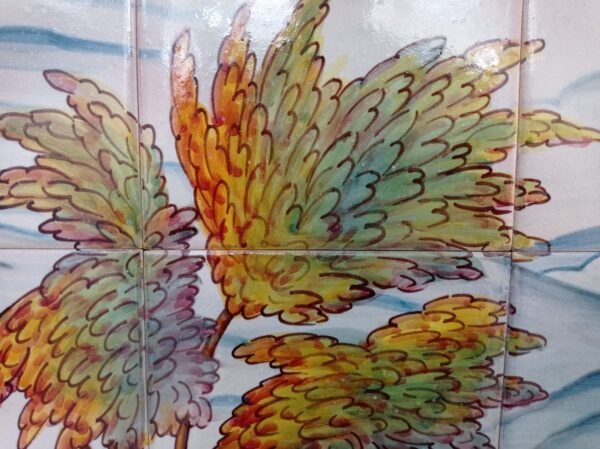
Onda is, quite literally, a city of taulell: a place where ceramic tiles have shaped the economy, the urban landscape, and collective memory. The local commitment to preserving this legacy is embodied in the Manolo Safont Tile Museum, heir to the museum founded in 1968 and reopened in 2004, which houses one of the largest collections of Valencian architectural ceramics. Its holdings—estimated by the museum itself at around 80,000 pieces—span from classical tilework to Modernism and the 20th-century ceramic industry, and also include machinery and archives that tell the story of “how it was made.”
The Ceramic Soul of Onda


Loading

Historic Center
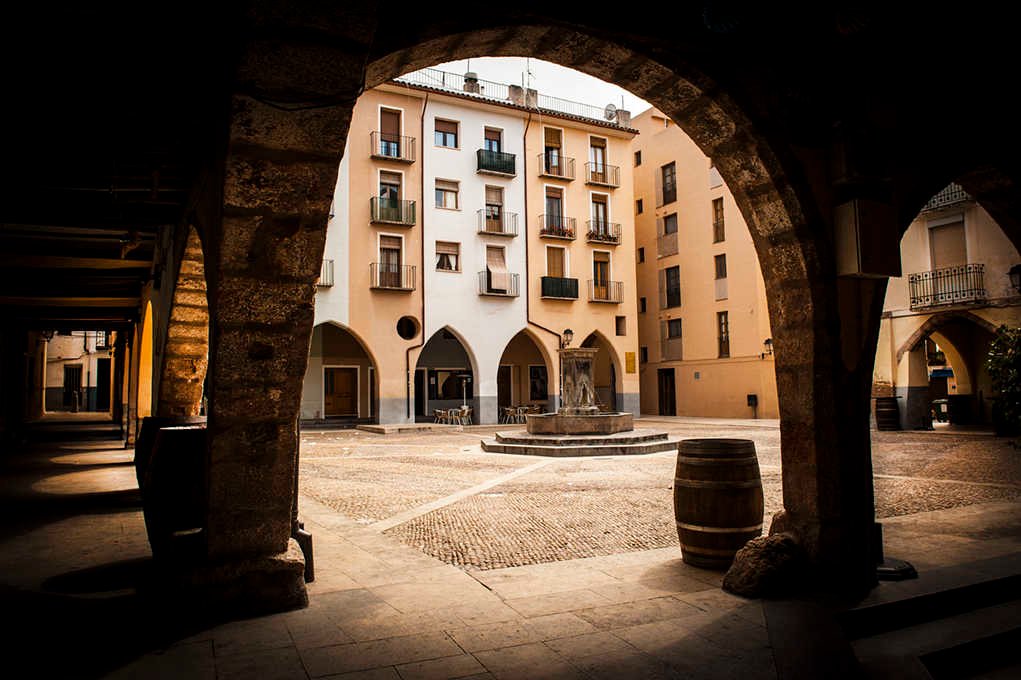
The old town, declared a Historic–Artistic Ensemble, preserves outstanding examples of applied ceramic decoration.…
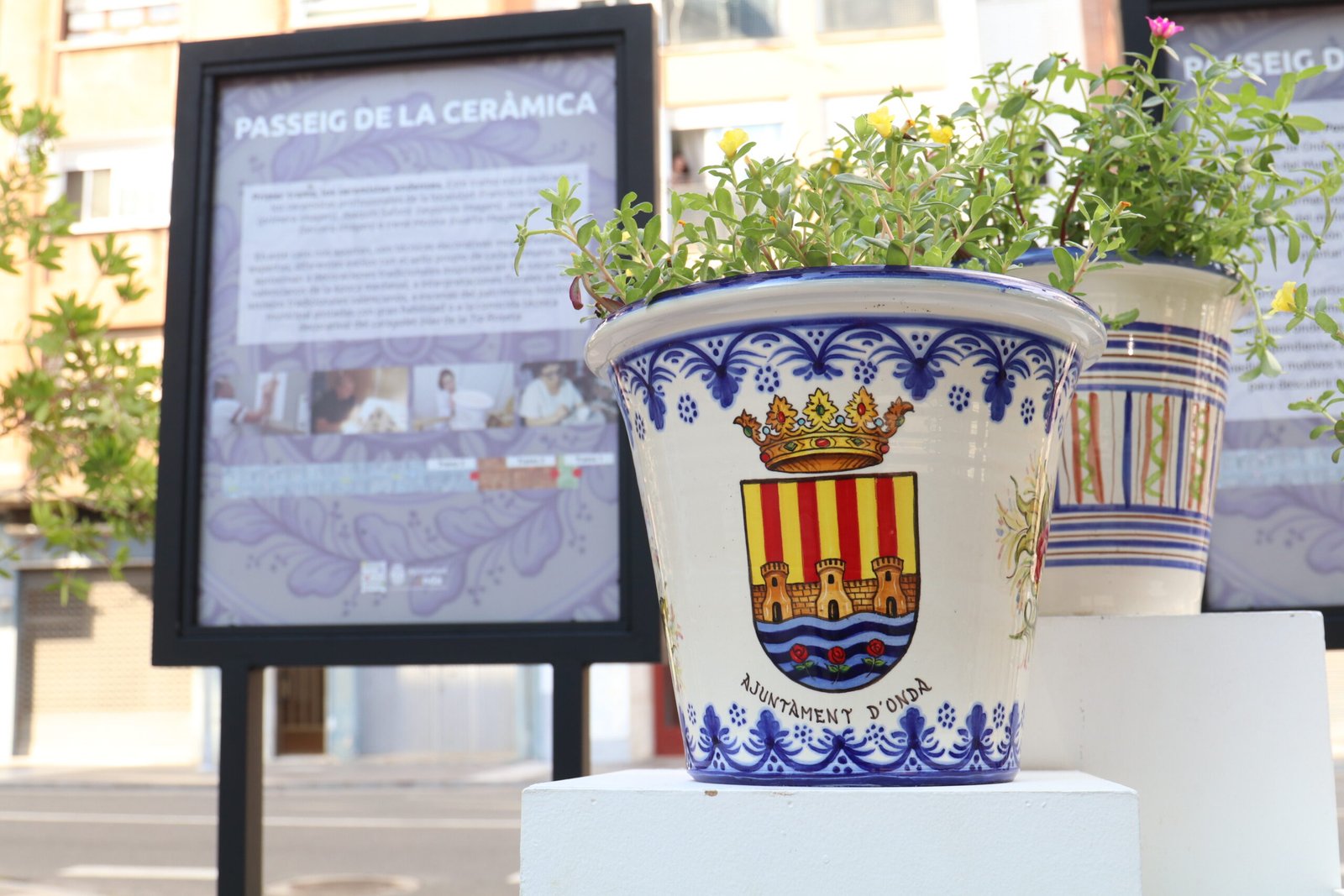
Ceramic Promenade
One kilometer of open-air ceramic installations featuring more than 150 flowerpots decorated by students, families, and local artists.…
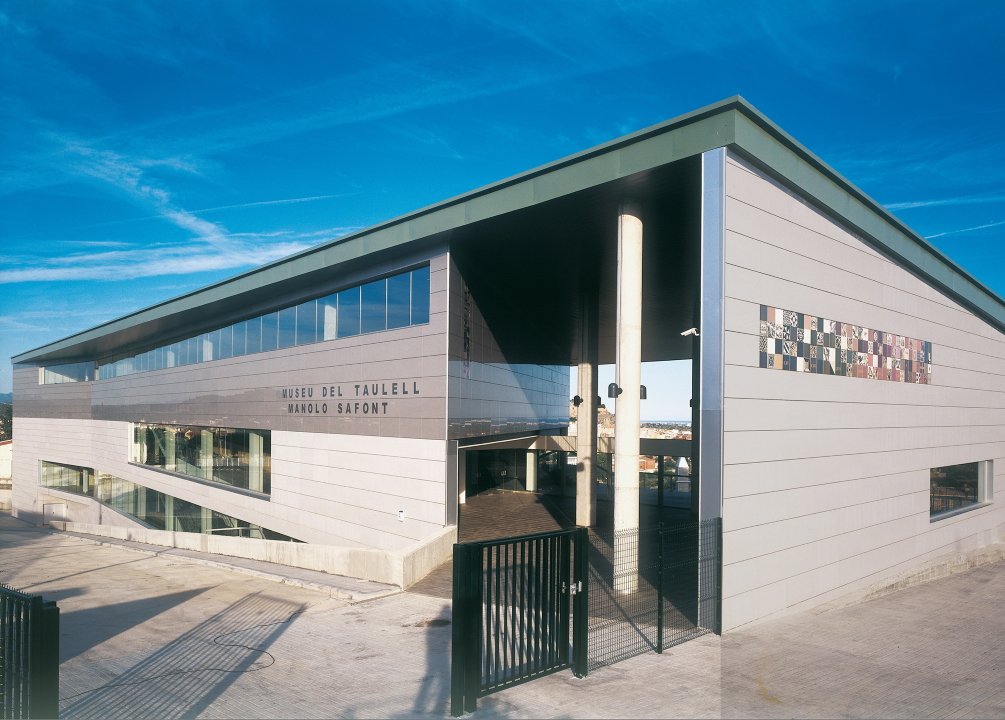
Tile Museum
The “Manolo Safont” Tile Museum preserves, as the result of extensive preservation work since its founding in 1968, outstanding collections of Valencian architectural ceramic tiles.…