The Living Art of Talavera Ceramics
On the banks of the Tagus River, Talavera de la Reina is the largest city in the Spanish Association of Ceramic Cities and an international benchmark for its pottery tradition. Known as the “City of Ceramics,” it treasures centuries of history in which Roman, Islamic, and Christian influences have left their mark on its heritage and workshops. Its ceramics—whose artisanal processes were declared Intangible Cultural Heritage by UNESCO in 2019—are renowned for the mastery of their colors and decorations. They are the city’s hallmark and cultural driving force, as Talavera today blends tradition, innovation, and a rich historical legacy.
The Ceramic Soul of Talavera de la Reina


Loading
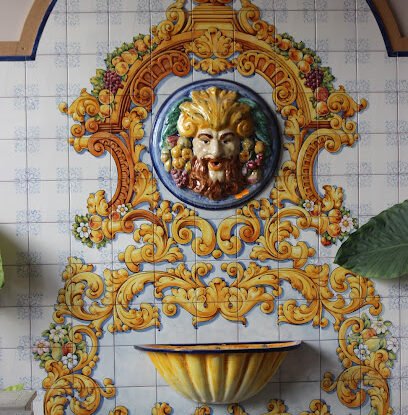

Talaveran Craftsmanship
Founded in 1966, it captures the essence of the so-called “Talavera style,” a form of ceramic decoration created in the former Ruiz de Luna factory.…
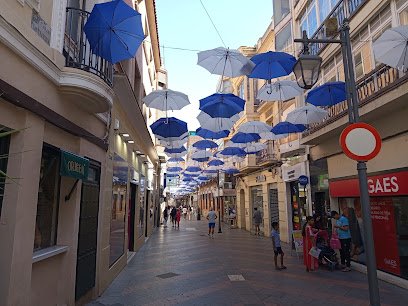
The Great Book of the Tabula Rogeriana
San Jerónimo Heritage Award 2025, it is a tribute to the 12th-century Hispano-Muslim geographer Al-Idrisi and his Great Atlas.…
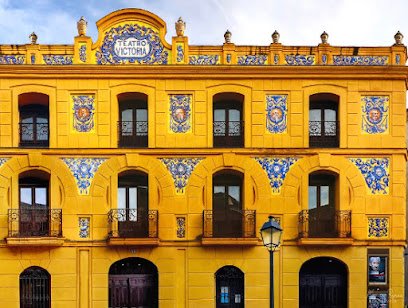
Victoria Theatre
Built in 1912 on the site of the former 17th-century corral de comedias, its façade stands out for its ceramic allegories to music and theatre made in Talavera style.…
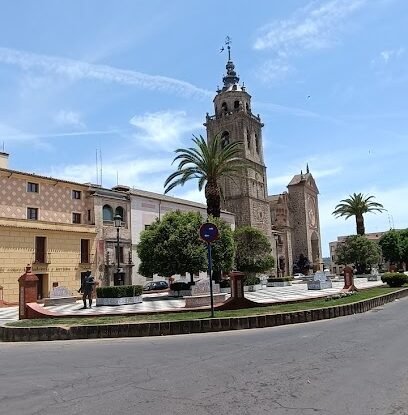
Plaza del Pan
A large square that is home to several palaces and town halls, highlighted by the Collegiate Church of Santa María la Mayor in Gothic–Mudéjar style. Its ceramic fountains and benches make it the heart of the city and its Historic Quarter.…
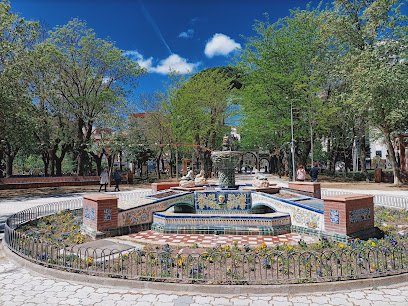
Prado Gardens and La Alameda Park
Ceramic decoration fills every corner of these gardens, listed as a Site of Cultural Interest in the category of Historic Garden. Likewise, Talavera tiles adorn the two bridges of La Alameda that span the lake.…
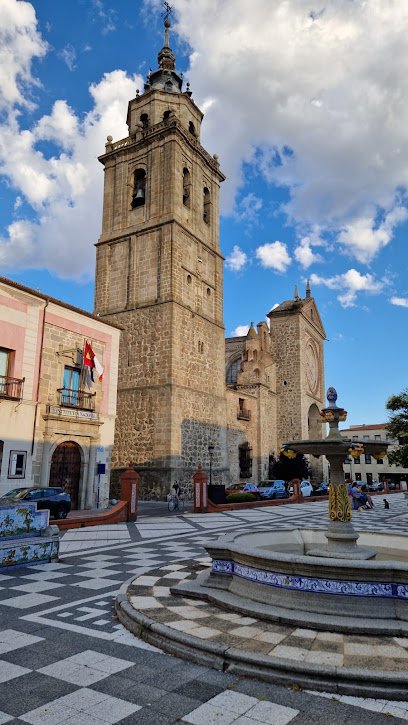
Rafael Morales Cultural Center
Former Hospital of Mercy, restored and converted into a cultural center, it hosts various contemporary ceramic exhibitions, notably the International Ceramics Biennial of the City of Talavera. It also houses the archaeological remains of a 1st-century Roman domus.…
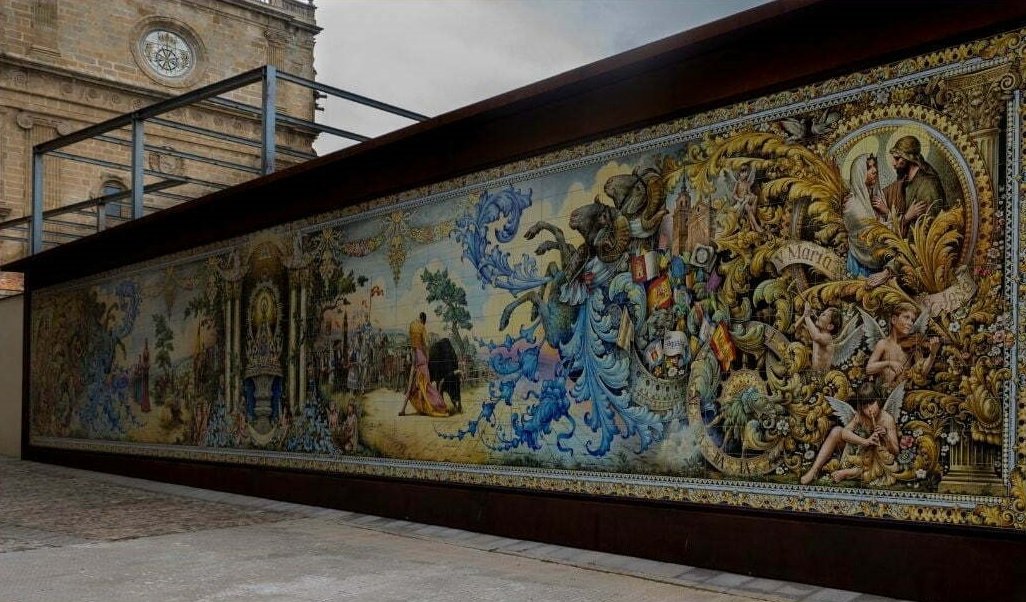
Ceramic Murals Route
It is an open-air route that pays tribute to the city’s ceramic-making tradition. Made up of several large-scale murals, this route decorates façades and public spaces with scenes that reflect the history, traditions, legends, and folklore of the City of Ceramics.…
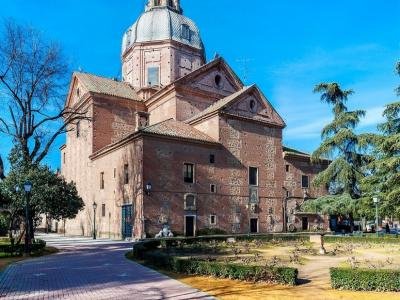
Basílica de Nuestra Señora del Prado
Also known as the “Sistine Chapel of Ceramics” because of the splendor of its tilework from the 16th to the 20th centuries, which adorns it and turns it into a true museum of Talavera ceramics.…
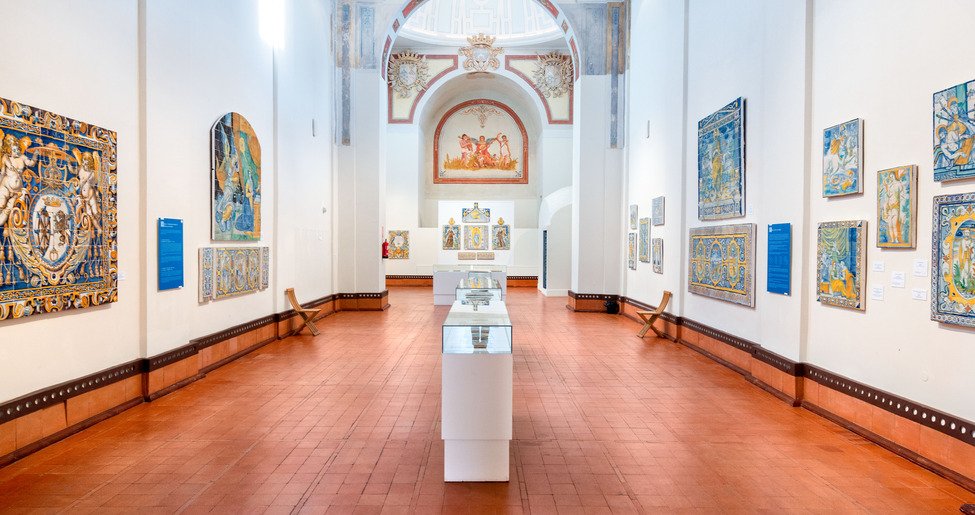
Ruiz de Luna Ceramic Museum
Located in the former convent of the Augustinian Recollects, founded around 1566, this museum houses pieces that trace the entire history of Talavera ceramics, as well as the private collection of the renowned ceramist Juan Ruiz de Luna.…