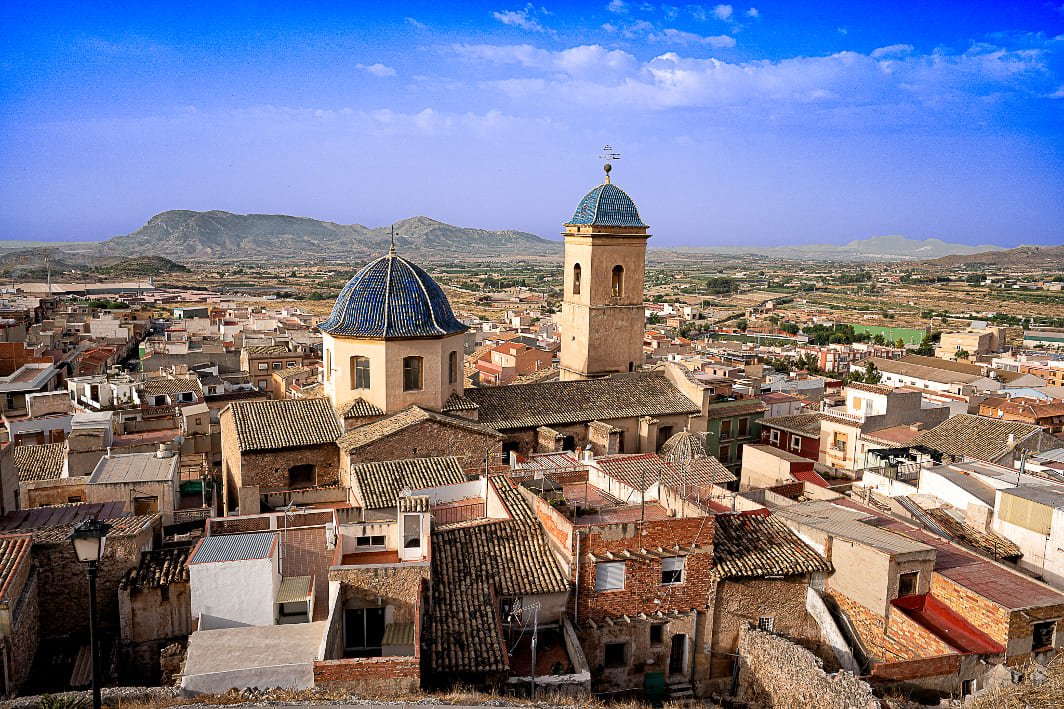
The endless footprint of clay in Agost
In Agost, clay is not craftsmanship: it is biography. Pottery is documented as early as 1277, and several current lineages can be traced back at least to the 18th century. That continuity can be felt in the former factory of Severino Torregrosa (1902), now the Pottery Museum, which preserves “Arab” kilns, settling basins and workshop areas: a journey through the craft within its own place of work.
The ceramic soul of Agost
   Loading 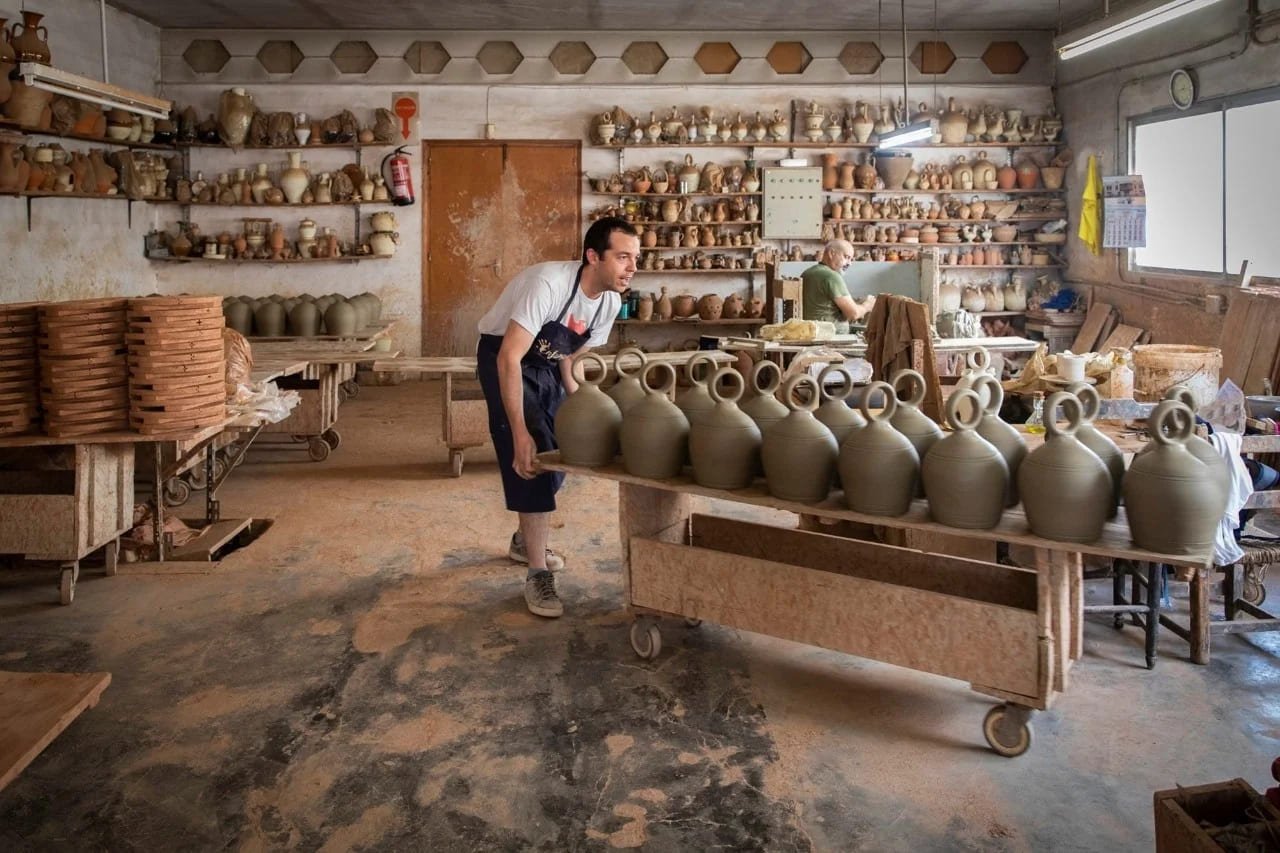  La Navà Pottery In La Navà, they produce their own white clay with salt, traditional to Agost, following an artisanal process in order, as they themselves claim, to keep the teachings of their ancestors alive.… 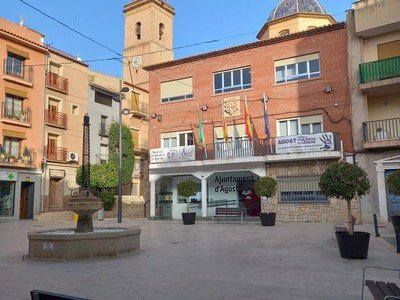 España Square The Agost Pottery Route starts from Plaza de España and heads toward the emblematic landmarks of the craft.… 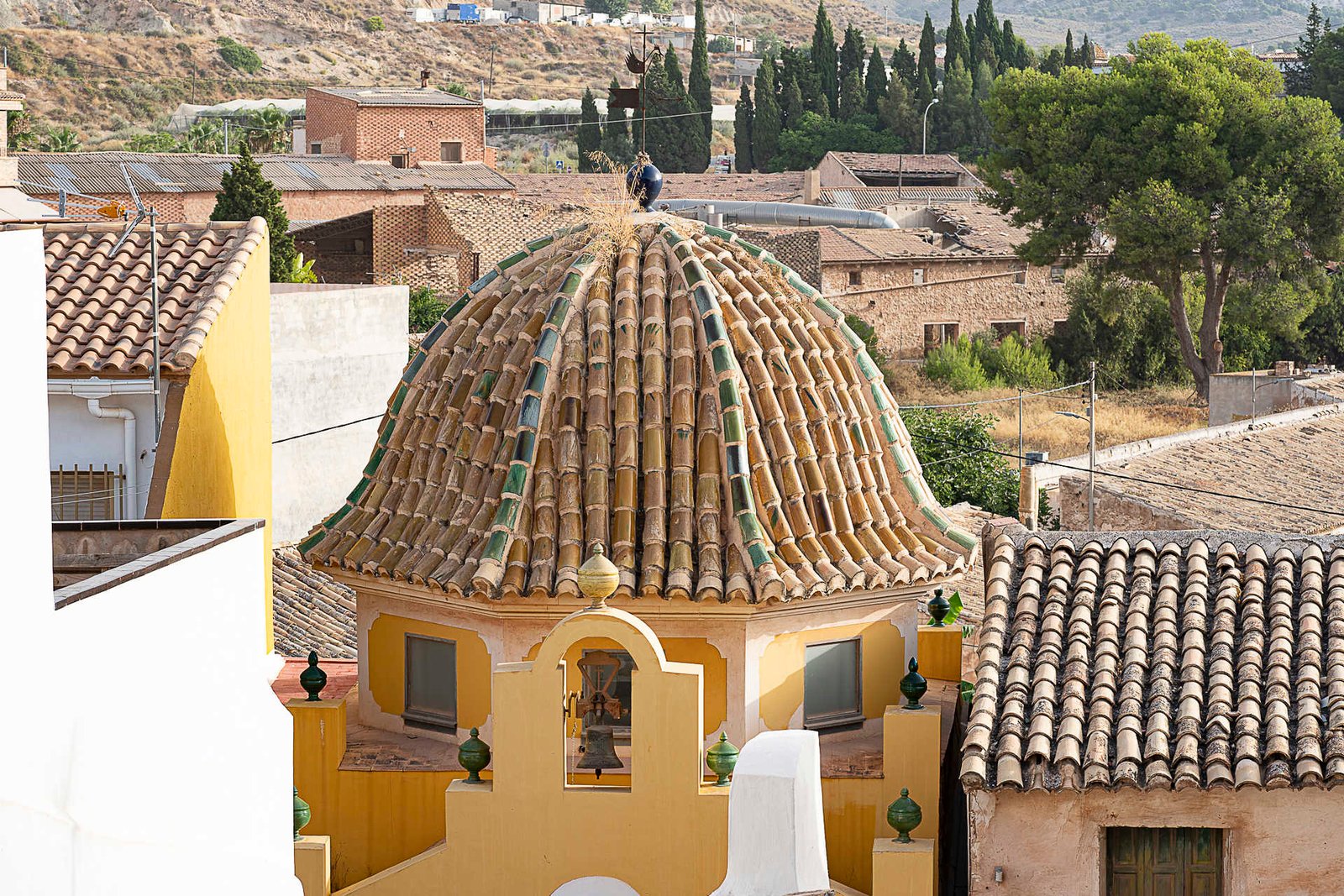 Hermitage of Saints Justa and Rufina Dedicated to the patron saints of pottery, it was built in 1821 and restored in 1995. It has an almost square floor plan and is decorated with vessels crowning the façade.… 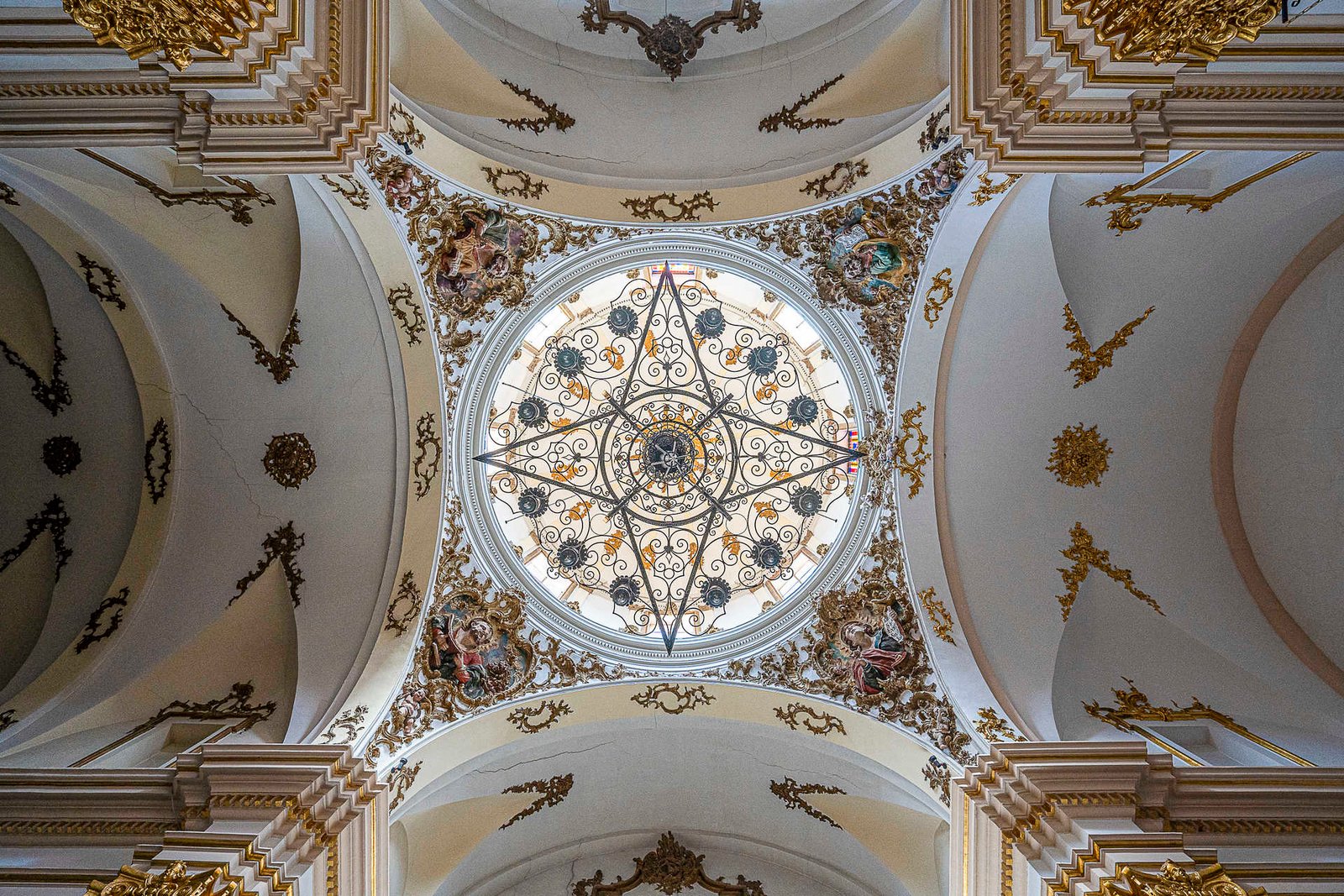 Church of Saint Pedro Apóstol A historic building with interventions dating from the 16th to the 18th centuries, it stands out for its two portals (that of the Virgin and that of Saint Peter), its bell tower with bells from 1791, and, inside, the Chapel of the Communion, one of the finest examples of Alicante Baroque.… 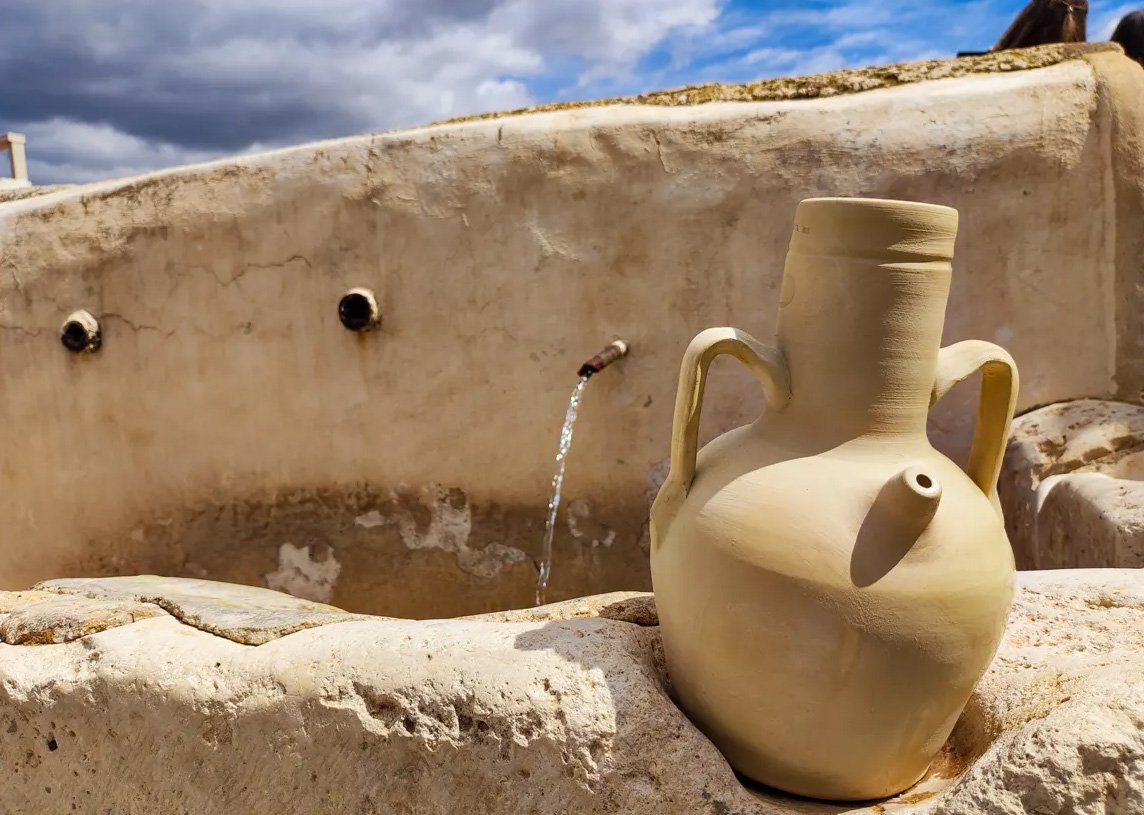 Fountain of l’Abeurador Located near the Rambla del Rugló and next to the municipal washhouse, it is the oldest fountain in Agost, as it was built around 1699. It was used as a watering trough for livestock, for domestic consumption, and to supply the first pottery workshops located nearby.… 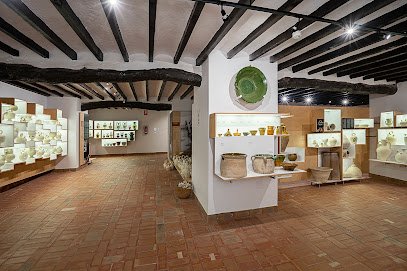 Pottery Museum A museum located in a former early 20th-century ceramic factory, where Arab kilns, settling ponds, and a pottery workshop are preserved. It displays a collection of more than 4,500 pieces of pottery and ethnology, and offers a shop with handcrafted items, a specialized library, and workshops.… |