The universe of the càntir in Argentona
For decades, Argentona has been the “village of the càntir”: here the water vessel is not just a household utensil, it is civic identity. The Museu del Càntir was founded in 1975 and, since 2000, has been housed in Cal Carboner (16th century), with a collection unique in Europe dedicated to atuells d’aigua that ranges from the Bronze Age to Picasso. In its galleries, one understands why the pitcher has shaped uses, festivities and even the town’s urban image.
The ceramic soul of Argentona


Loading
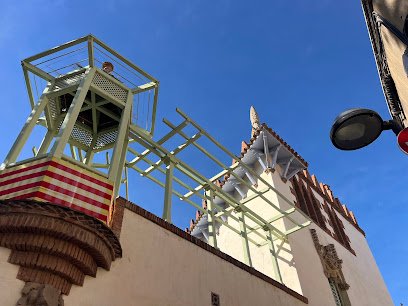

Puig i Cadafalch House
Summer residence of the architect Josep Puig i Cadafalch, created between 1897 and 1905 through the union and transformation of three old houses. With a labyrinthine interior and a strong medieval character, it stands out for its galleries, Modernist elements, and a design conceived to protect the house from the sun through double façades. The house is surrounded by a garden and an exposed-brick enclosure, although its current state of conservation is very poor.…
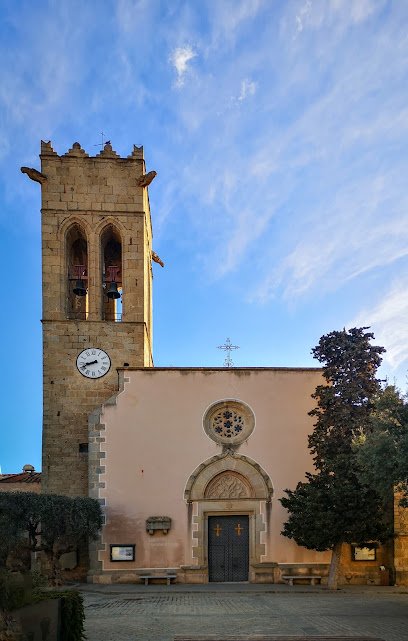
Parish Church of Sant Julià
A church documented since 1025, with a late Gothic-style building consecrated in 1539 and a bell tower dating from 1559. The Chapel of the Blessed Sacrament was rebuilt by Puig i Cadafalch in 1897 with Modernist elements. During the Civil War, the main Gothic altarpiece, the Renaissance pulpit, and the remaining altars were lost.…
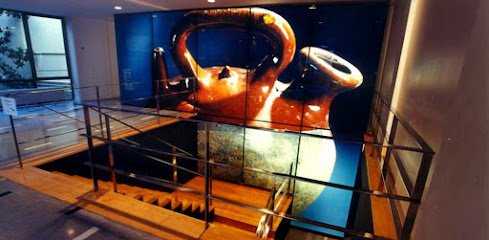
Argentona Pitcher Museum
A museum dedicated to the cántir (traditional water pitcher) and traditional pottery, with a collection of more than 4,000 pieces ranging from the Bronze Age to contemporary ceramics. It is managed by the Argentona City Council and a municipal board, and is an international benchmark in its field.…