Bailén, a name that resonates with clay throughout Andalusia
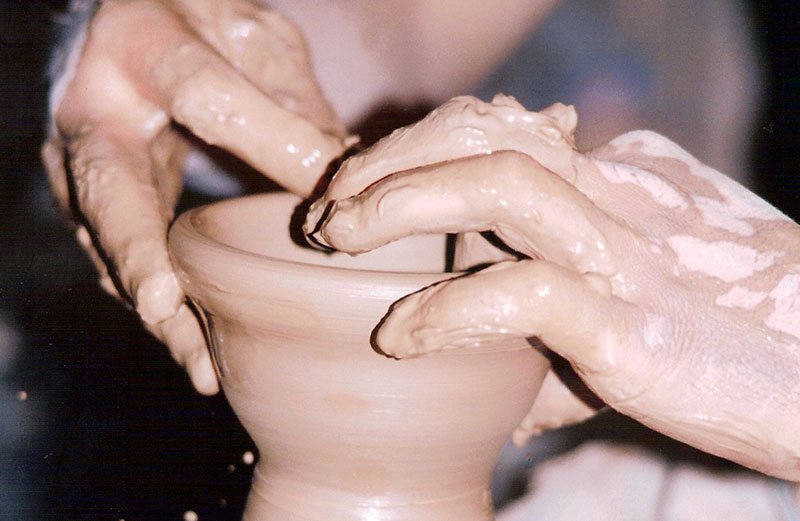
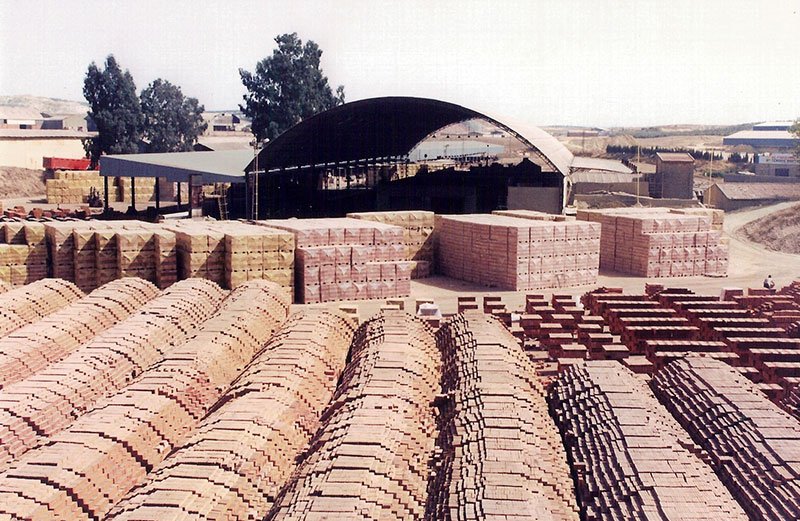
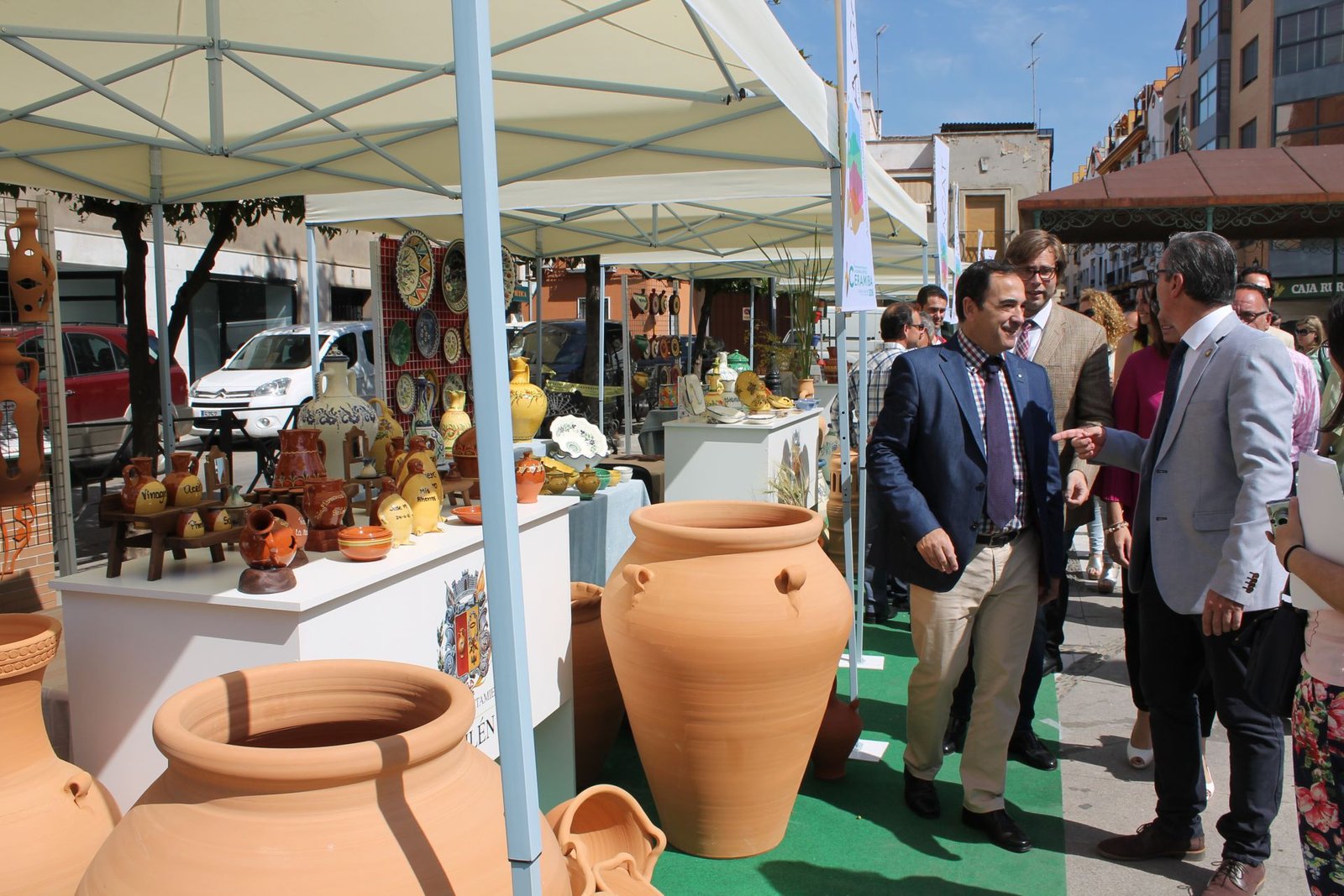
In Bailén, clay has accompanied everyday life as much as the olive grove. For generations, the town’s potteries supplied the region with orzas, lebrillos, chamber pots and pitchers, a repertoire of red earthenware designed for cooking, preserving and serving. That tradition — domestic, robust and highly functional — explains why the name of Bailén resonates with pottery across Andalusia. Today, the City Council promotes its preservation and dissemination, and the city has leapt onto the contemporary scene with CERAMIBA, an international fair-competition that обновes the gaze without losing its roots.
The ceramic soul of Bailén


Loading
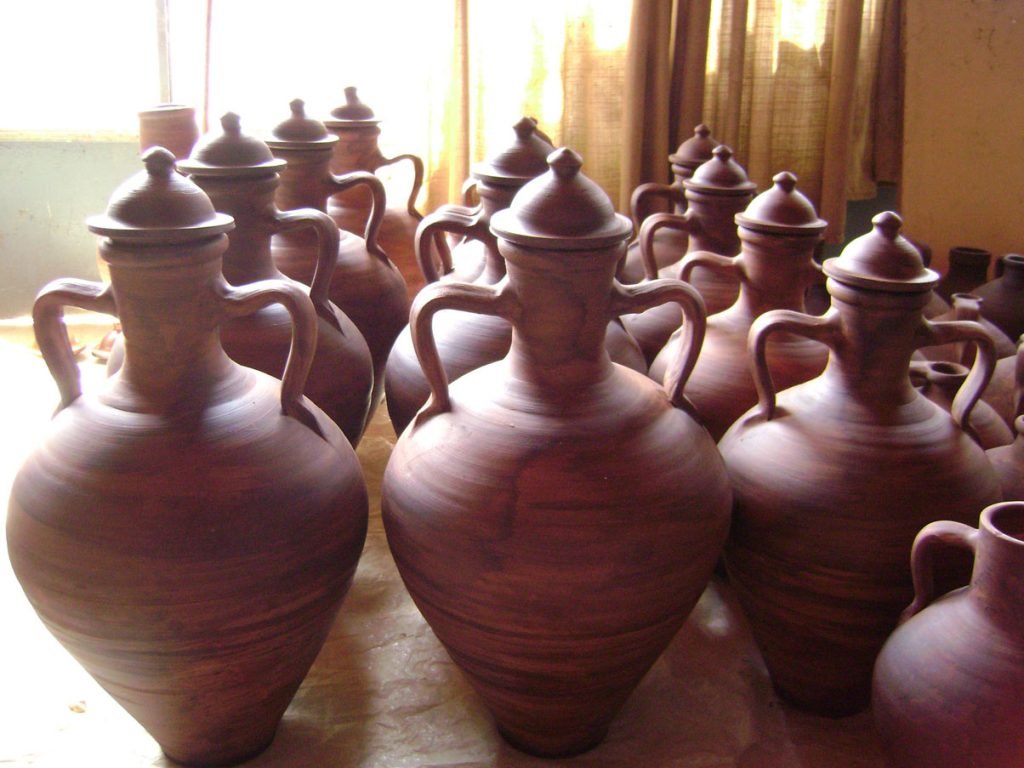

El Jarrero
In our family, pottery has been the activity around which our lives have revolved, and after so many years of history following the tradition of our ancestors, we have achieved truly unique, handcrafted pieces.…
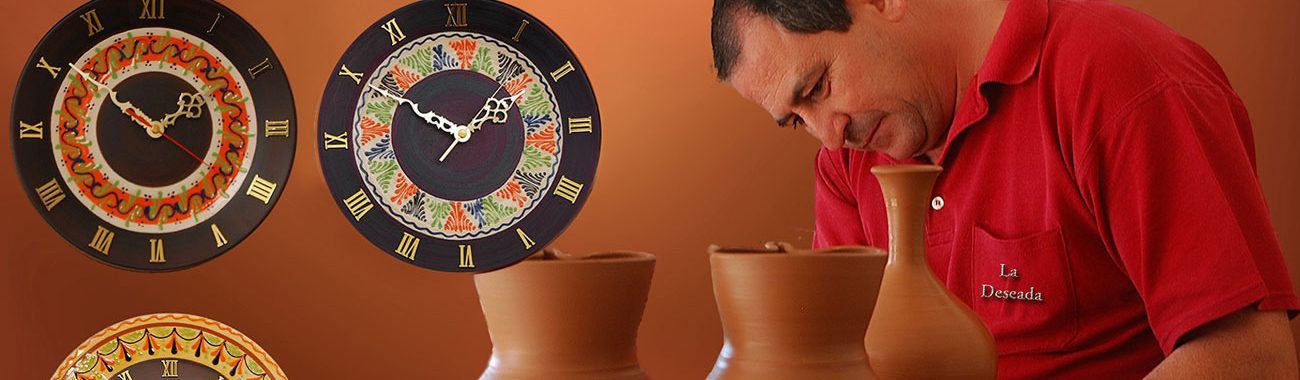
La Deseada Pottery & Ceramics
Antonio Barrales Comino belongs to a generation of a family of potters. Our ceramics, bearing their own name, offer high-quality products, the result of continuous effort and the careful selection of the finest clays for each piece.…
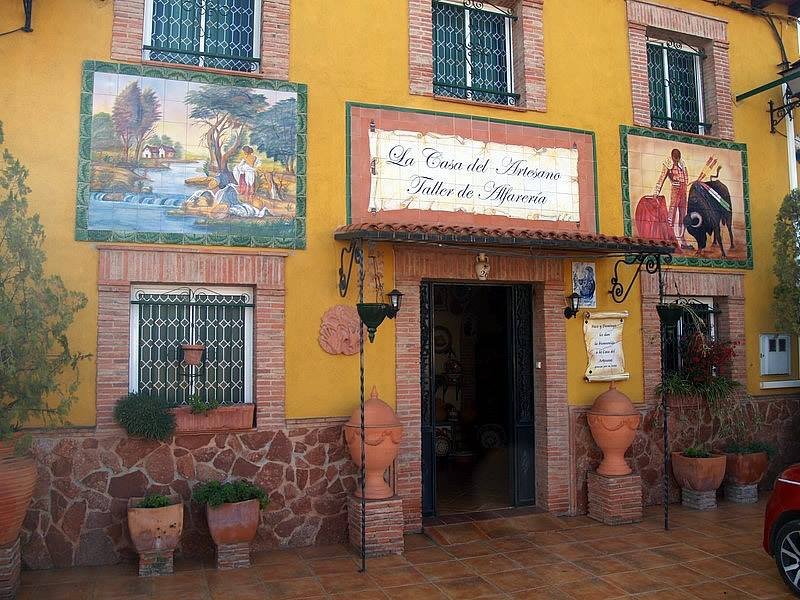
La Casa del Artesano Pottery
Two artisans devoted to the quirky and noble craft of clay showcase in this Bailén workshop the figures and vessels shaped by their own hands.…
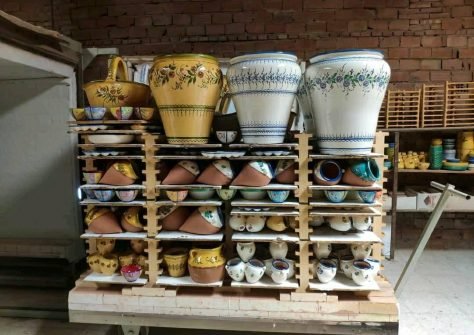
Cristóbal Arance Pottery
Since the beginning of the 20th century, when this family began its journey in the craft, three generations have known how to preserve the skill and know-how handed down by their ancestors.…
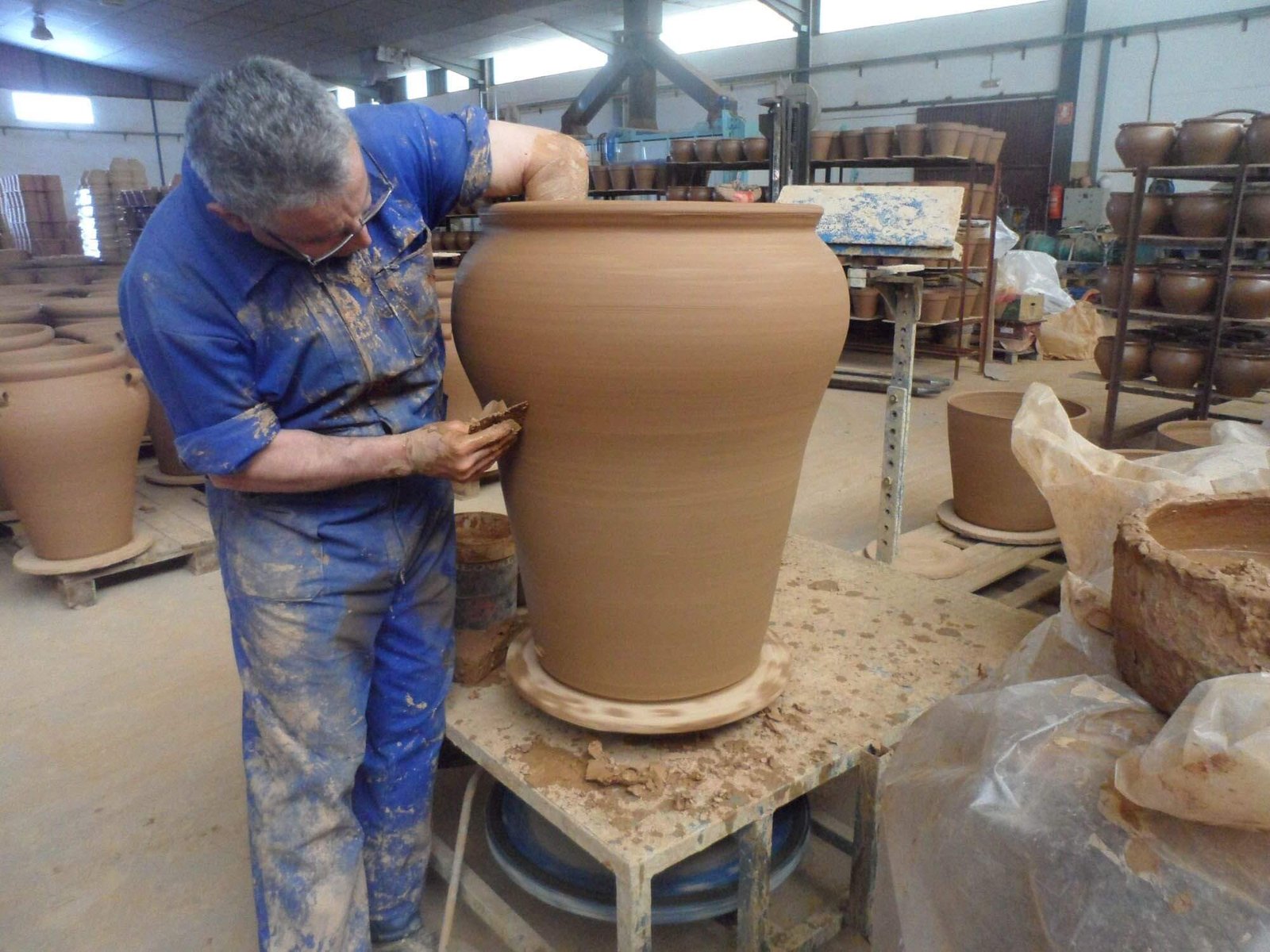
Juan Núñez Ceramics
A family with a pottery-making tradition; after five generations in the craft, we have managed to preserve the essence of the artisanal heritage of Bailén, our hometown and place of work.…